
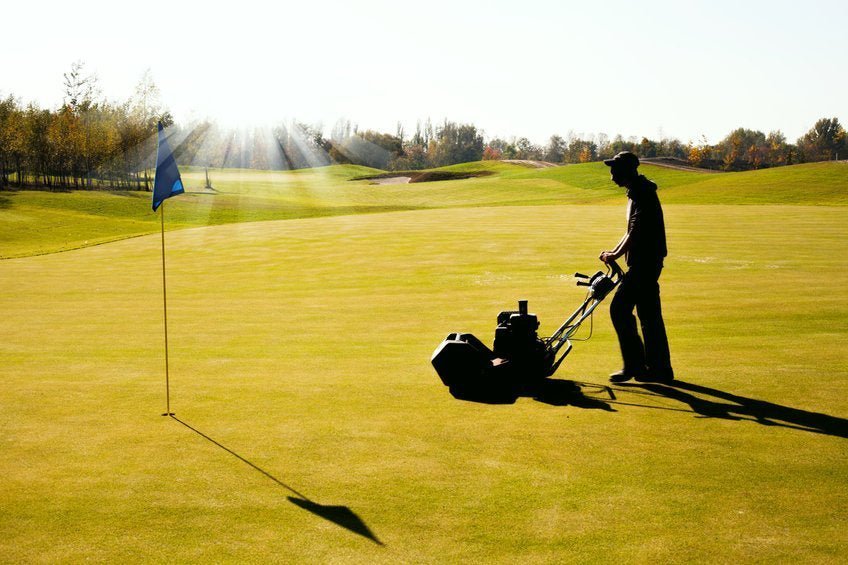
The landscaping industry is more competitive than ever. With the U.S. market valued at $153 billion in 2024 and growing at 8.2% annually, opportunities abound. However, harsh statistics reveal that 70% of landscaping businesses fail within 18 months according to the 2024 State of the Landscape Labor Market report.
The difference between the 30% that succeed and the majority that fail often comes down to avoiding critical business mistakes that can derail even the most promising landscaping companies.
Bottom Line Up Front: Success in landscaping requires more than horticultural skills. The businesses that thrive combine excellent service delivery with smart business fundamentals, strategic equipment investments, and strong operational systems.
The Current Landscaping Industry Landscape
Before diving into mistakes to avoid, here's what successful landscaping companies are working with in 2025:
Market Realities:
- 65% of landscaping businesses earn over $1 million annually
- 78% of companies hit their revenue goals in 2023
- Average pricing: $50-100 per hour or $300 per month for general maintenance
- Top markets: Florida, California, and New York lead in business concentration
Ongoing Challenges:
- Labor shortages: 59% report the job market is worse than pre-COVID
- Equipment costs continue rising with inflation
- Customer expectations for technology and professionalism are higher
- Seasonal cash flow management remains critical
Now, let's examine the seven critical mistakes that separate failing businesses from thriving ones.
Mistake #1: Inadequate Project Scope Understanding
The Problem: The biggest and most costly mistake landscaping companies make is failing to fully understand what a job entails. This isn't just about routine maintenance—it's about missing critical project requirements that can destroy profitability.
Real-World Impact:
- Underestimating labor requirements by 20-40% on complex projects
- Missing specialized equipment needs that weren't factored into bids
- Overlooking permit requirements or site-specific challenges
- Failing to account for seasonal constraints that affect timeline and costs
2025/2026 Solution Strategy:
- Conduct thorough site assessments using modern tools like drones for large properties
- Implement standardized project evaluation checklists that cover all potential variables
- Build in contingency costs of 10-15% for unexpected requirements
- Use project management software to track scope creep and change orders
Key Questions to Ask:
- What are the soil conditions and drainage requirements?
- Are there underground utilities that need location services?
- What permits or HOA approvals are required?
- How will weather conditions affect the timeline?
- What specialty equipment or materials are needed?
Mistake #2: Poor Equipment Investment Decisions
The Problem: Making uninformed decisions about which equipment to buy, rent, or lease can cripple cash flow and operational efficiency. With equipment costs continuing to rise, these decisions have become even more critical.
Common Equipment Errors:
- Buying expensive equipment that sits idle most of the year
- Renting frequently-used tools when purchase would be more economical
- Choosing cheap equipment that breaks down during peak season
- Failing to maintain equipment properly, leading to costly repairs and downtime
2025/2026 Smart Equipment Strategy:
Essential Purchases (Use regularly):
- Hand Tools: rakes, shovels, shears, pruners
- Primary mowing equipment: Commercial-grade mowers for daily use
- Quality replacement blades: Keep sharp blades in rotation for optimal performance
- Safety equipment: PPE for all crew members
Strategic Rentals (Seasonal or project-specific):
- Large machinery: Mini-excavators, skid steers, tree spades
- Specialized tools: Stump grinders, trenchers, aerators
- Seasonal equipment: Snow removal equipment, specialty spreaders
Equipment ROI Calculation:
- Track usage hours for each piece of equipment
- Calculate cost per hour for owned vs. rented equipment
- Factor in maintenance costs, storage, and insurance
- Consider financing options for essential equipment purchases
Pro Tip: Invest in professional blade sharpening equipment to reduce operational costs and ensure consistent cut quality that sets you apart from competitors. Learn more about how to thrive in the landscaping industry with strategic equipment investments.
Mistake #3: Inadequate Financial Management and Cash Flow Control
The Problem: According to CB Insights, negative cash flow causes 29% of business failures. In landscaping, seasonal fluctuations make cash flow management particularly challenging, yet many businesses lack proper financial controls.
Financial Management Failures:
- Inconsistent pricing strategies that don't cover true costs
- Poor invoicing and collection processes leading to extended payment cycles
- Lack of emergency reserves for equipment failures or slow seasons
- Failure to adjust pricing for inflation and rising material costs
- Inadequate job costing that doesn't track true project profitability
2025/2026 Financial Best Practices:
Pricing Strategy:
- Know your true hourly costs: Include labor, benefits, equipment depreciation, insurance, and overhead
- Build in healthy profit margins: 20-30% minimum for sustainable growth
- Adjust pricing annually: Don't absorb inflation—pass reasonable increases to customers
- Price different services appropriately: Design work commands higher rates than maintenance
Cash Flow Management:
- Require deposits on large projects (25-50% upfront)
- Implement net-15 payment terms with late fees for commercial accounts
- Offer early payment discounts to improve cash flow
- Maintain 3-6 months operating expenses in emergency reserves
- Use financial management software for real-time profitability tracking
Job Costing:
- Track actual vs. estimated time on every project
- Monitor material costs and adjust estimates accordingly
- Include all hidden costs: permit fees, disposal costs, equipment transport
- Analyze profitability by service type to focus on most profitable work
Mistake #4: Neglecting Safety Protocols and Training
The Problem: Landscaping is inherently dangerous work. Ignoring safety protocols doesn't just risk worker injuries—it can result in lawsuits, increased insurance costs, and business closure. OSHA violations and worker injuries can quickly bankrupt a growing business.
Why Safety Matters More Than Ever: As discussed in our guide on how to thrive in the landscaping industry, professional landscaping companies that prioritize safety build stronger reputations and more profitable operations.
Safety Risks in Landscaping:
- Equipment-related injuries: Cuts, amputations from mowers and power tools
- Chemical exposure: Improper handling of fertilizers and pesticides
- Heat-related illnesses: Working outdoors during extreme temperatures
- Vehicle accidents: Transporting equipment and working near traffic
- Repetitive strain injuries: From manual labor and equipment operation
2025/2026 Safety Implementation:
Essential Safety Protocols:
- Daily safety meetings: Brief team on day's hazards and precautions
- Mandatory PPE: Safety glasses, hearing protection, steel-toed boots, high-vis clothing
- Equipment training: Proper operation and maintenance of all tools
- Chemical safety: MSDS sheets, proper storage, and application procedures
- Emergency procedures: First aid training, emergency contacts, evacuation plans
Technology for Safety:
- GPS tracking for vehicle and crew location monitoring
- Digital safety checklists for equipment inspection
- Weather monitoring apps for heat index and severe weather alerts
- Training videos for consistent safety education
Legal and Financial Benefits:
- Lower insurance premiums for companies with strong safety records
- Reduced workers' compensation claims and associated costs
- Improved crew retention through safer working conditions
- Better reputation with customers who value professional operations
Mistake #5: Insufficient Marketing and Customer Acquisition Strategy
The Problem: Many landscaping companies rely solely on word-of-mouth marketing, which limits growth potential. In today's digital marketplace, businesses without online presence and marketing strategies miss significant opportunities.
Marketing Mistakes:
- No online presence: Missing website, Google My Business, or social media
- Inconsistent branding: Unprofessional appearance in trucks, uniforms, and materials
- Lack of customer retention programs: Focusing only on new customer acquisition
- No differentiation strategy: Competing solely on price rather than value
- Ignoring digital marketing: Missing online reviews, SEO, and social media opportunities
2025 Marketing Strategy:
Digital Foundation:
- Professional website: Showcase work portfolio, services, and customer testimonials
- Google My Business optimization: Ensure local search visibility with photos and reviews
- Social media presence: Regular posts showing completed projects and seasonal tips
- Online review management: Actively request and respond to customer reviews
Brand Differentiation:
- Define your unique value proposition: What makes you different from competitors?
- Professional appearance: Branded vehicles, uniforms, and equipment
- Specialized services: Focus on niches like sustainable landscaping or commercial properties
- Quality guarantees: Stand behind your work with written warranties
Customer Retention:
- Seasonal maintenance programs: Automated scheduling and billing
- Customer communication: Regular updates, seasonal newsletters, and maintenance reminders
- Loyalty programs: Discounts for multi-year contracts or referrals
- Upselling opportunities: Additional services during routine visits
Mistake #6: Overcommitting and Poor Resource Management
The Problem: The temptation to accept every job opportunity can lead to overcommitment, which results in poor work quality, crew burnout, and damaged reputation. Smart growth requires knowing when to say no.
Overcommitment Consequences:
- Declining work quality when crews are stretched too thin
- Missed deadlines leading to customer dissatisfaction
- Crew burnout and high employee turnover
- Equipment breakdowns from overuse without proper maintenance
- Cash flow problems from delayed invoicing and collections
2025/2026 Capacity Management:
Strategic Project Selection:
- Know your capacity limits: Track crew hours and equipment availability
- Focus on profitable niches: Specialize in services with higher profit margins
- Establish minimum project sizes: Avoid small jobs that don't justify overhead
- Seasonal planning: Balance maintenance contracts with installation projects
Resource Optimization:
- Use scheduling software: Visualize capacity and optimize crew assignments
- Cross-train employees: Increase flexibility in crew assignments
- Maintain equipment properly: Regular blade sharpening and maintenance prevents downtime
- Build buffer time: Allow for weather delays and unexpected issues
Growth Management:
- Hire strategically: Add crews when you have sustainable work to support them
- Invest in training: Skilled crews are more efficient and profitable
- Monitor key metrics: Revenue per crew, profit per project, customer satisfaction scores
Mistake #7: Ignoring Technology and Industry Evolution
The Problem: Landscaping businesses that resist technological advancement fall behind competitors who embrace efficiency tools, modern equipment, and digital business systems. In 2025, technology adoption isn't optional—it's essential for survival.
Technology Gaps:
- Manual scheduling and dispatching: Inefficient crew coordination
- Paper-based estimates and invoicing: Slow processes and poor customer experience
- Lack of GPS tracking: No visibility into crew location and efficiency
- Outdated equipment: Higher fuel costs and maintenance requirements
- No business management software: Poor visibility into profitability and operations
2025/2026 Technology Adoption:
Essential Business Software:
- All-in-one business management platforms: Scheduling, invoicing, customer management
- GPS fleet tracking: Monitor crew efficiency and customer arrival times
- Digital estimating tools: Faster, more accurate project quotes
- Mobile apps: Allow crews to access job details and update status in real-time
Modern Equipment Technology:
- Fuel-efficient engines: Reduce operating costs and environmental impact
- Electric equipment: Quieter operation for noise-sensitive areas
- Smart irrigation systems: Automated scheduling and monitoring
- Drone technology: Site surveys and large property assessment
Digital Marketing Tools:
- CRM systems: Track customer interactions and follow-up opportunities
- Social media management: Consistent online presence and customer engagement
- Review management platforms: Monitor and respond to online feedback
- Email marketing: Seasonal tips and service reminders
Building a Sustainable Landscaping Business
Success in 2025/2026 requires:
Operational Excellence:
- Standardized processes for every aspect of business operations
- Quality equipment and replacement parts that ensure consistent performance
- Continuous training for crews on safety, efficiency, and customer service
- Regular equipment maintenance including professional blade sharpening
Financial Discipline:
- Accurate job costing and pricing strategies
- Strong cash flow management with appropriate reserves
- Regular financial analysis to identify trends and opportunities
- Investment in efficiency tools that improve profitability
Strategic Growth:
- Focus on profitable niches rather than trying to serve everyone
- Build systems that can scale with business growth
- Develop strong relationships with suppliers like Mowmore for reliable equipment and parts
- Invest in technology that provides competitive advantages
Conclusion: Learn from Others' Mistakes
The landscaping industry offers tremendous opportunities for those who approach it with proper business fundamentals. While 70% of new landscaping businesses fail within 18 months, the 30% that succeed do so by avoiding these critical mistakes and building strong operational foundations.
Key Takeaways:
- Understand every project completely before committing resources
- Make smart equipment decisions based on usage data and ROI analysis
- Manage cash flow actively with proper pricing and collection procedures
- Prioritize safety to protect employees and business assets
- Invest in marketing to build sustainable customer acquisition
- Manage capacity carefully to maintain quality and profitability
- Embrace technology to stay competitive and efficient
Ready to build a more profitable landscaping business? Start with the foundation—quality equipment and reliable parts that keep your crews productive and your customers satisfied. From professional-grade blades to complete sharpening systems, Mowmore provides the tools successful landscaping businesses depend on.
For commercial operators: Explore our bulk purchasing options and professional equipment to maximize your operational efficiency and profitability.