
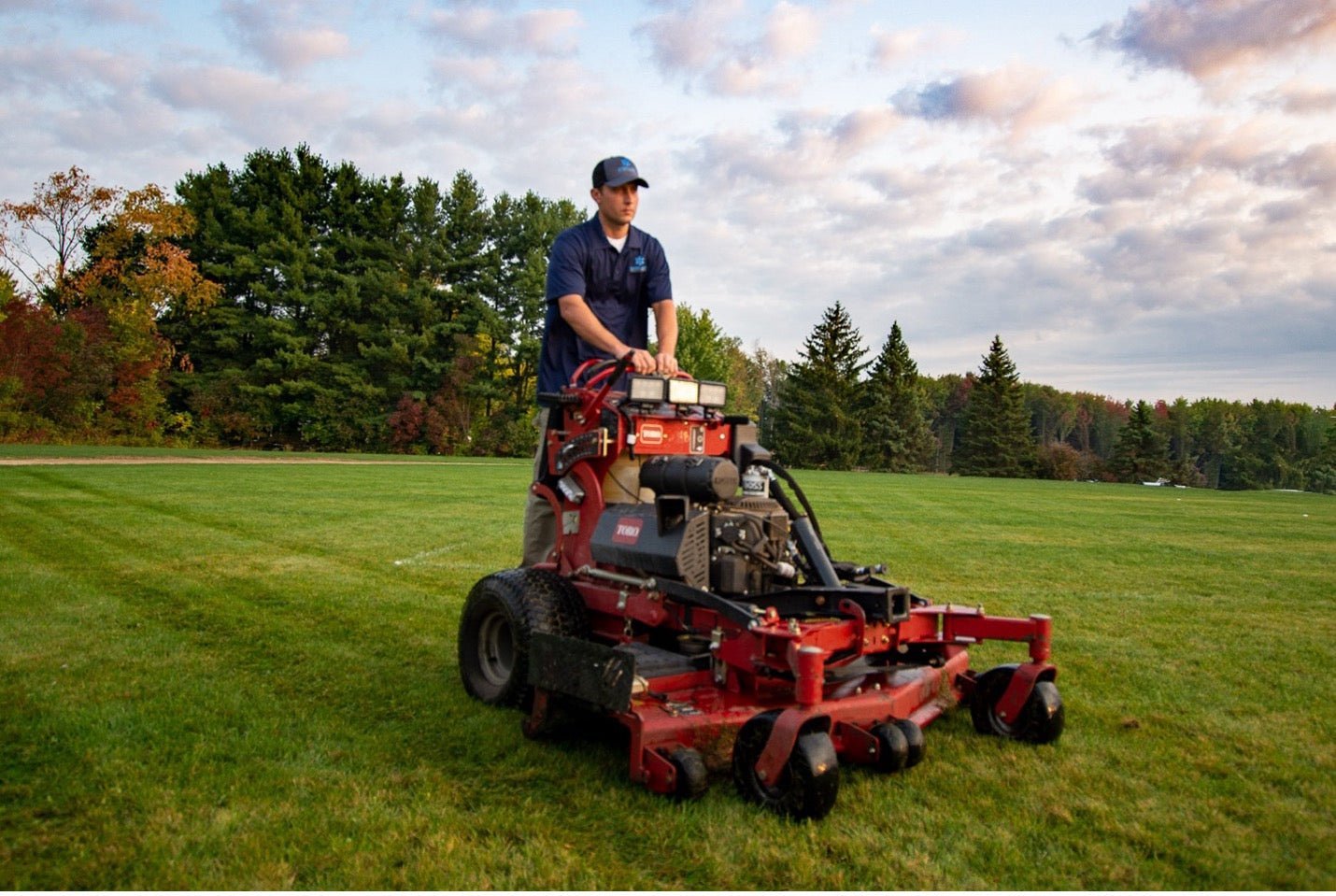
How to Grow Your Landscaping Business in 2026
A Practical Game Plan for Contractors Who Want to Scale Without Burning Out
As we head into 2026, the landscaping industry is still growing. Projections put the market at $245 billion by 2030, with more than 700,000 companies and 1.3 million workers already competing for the work.
That’s good news—but it also means competition isn’t slowing down.
The landscapers who grow in 2026 won’t be the ones chasing every job. They’ll be the ones who run cleaner operations, stack smarter services, and keep crews and equipment working instead of waiting.
Here’s what’s actually working for landscaping companies that are scaling profitably.
1. Use Sustainability as a Profit Lever (Not a Buzzword)
Customers are asking for sustainable landscaping—and many are willing to pay more for it. This isn’t about trends or marketing language. It’s about lower maintenance, lower water use, and fewer callbacks.
Native plants, water-efficient designs, and durable materials reduce long-term upkeep while attracting higher-value clients.
What to Do in 2026
- Use succession planting with native perennials that look good year-round and require less maintenance
- Replace high-maintenance turf and water features with native plant beds and water-wise designs
- Build supplier relationships around durable, long-lasting materials so you’re not constantly replacing cheap installs
Where MowMore Fits:
Reliable equipment and quality replacement parts matter more when you’re booked out. Fewer breakdowns means fewer delays and better margins.

2. Use Technology to Get More Out of Every Crew
Most landscaping companies already use software. The ones pulling ahead are using it to reduce waste—not add complexity.
You don’t need cutting-edge tech. You need tools that save time and prevent mistakes.
What to Do in 2026
- Automate routine tasks so crews spend more time on higher-margin work
- Use drones or aerial imagery for large properties to speed up estimates and planning
- Use visual tools in proposals so customers understand what they’re buying
- Install smart irrigation systems that reduce water waste and lower operating costs
Minimize Downtime:
When your productivity depends on equipment, waiting on parts kills margins. Same-day shipping on replacement parts keeps crews moving when schedules are tight.

3. Diversify Services to Smooth Out Cash Flow
Most landscaping businesses still rely on a narrow service mix. That’s risky.
Diversification isn’t about doing everything—it’s about adding services that fit your existing crews, equipment, and customer base.
What to Do in 2026
- Add off-season or shoulder-season services like snow removal or holiday lighting
- Expand into hardscaping, synthetic turf, or other weather-independent work
- Bundle upgrades (like irrigation improvements) with ongoing maintenance contracts
Equipment Still Matters:
Whether you're scaling your mowing operations or expanding into new services, blade quality directly impacts your results. Mowmore's commercial-grade mower blades deliver consistent, professional-quality cuts that keep customers satisfied.

4. Treat Marketing Like a System, Not a Guess
Digital marketing works when it’s simple and consistent. Companies doing it right see meaningful revenue impact—not because it’s flashy, but because it brings in the right customers.
What to Do in 2026
- Optimize your website for local searches customers actually use
- Run targeted Google Ads in your service area instead of broad campaigns
- Show proof: real photos, real reviews, real projects
Deliver What You Sell:
Marketing brings in the job. Equipment reliability determines whether you keep the customer. Staying job-ready protects your reputation. Maintain reliable equipment with quality parts so you're consistently job-ready. Join the Cutter Club for member discounts on the supplies you're already purchasing.
5. Keep Good People by Making the Job Easier
Labor is still the biggest challenge in landscaping. Companies that retain good workers spend less time hiring, training, and fixing mistakes.
What to Do in 2026
- Pay competitively and plan modest annual raises
- Train crews on equipment use and basic maintenance
- Use scheduling and inventory systems to cut fuel waste and idle time
Reduce Crew Frustration:
Nothing kills morale faster than broken equipment. Training crews on maintenance—and sharpening blades in-house when possible—keeps work moving and teams motivated. consider an RBG blade grinder for in-house sharpening, eliminating delays from outsourcing blade maintenance.
6. Run the Numbers Like a Business Owner
Costs stayed high through 2025, and that’s not changing overnight. The difference between growing and stalling often comes down to financial discipline.
What to Do in 2026
- Know your break-even point and price accordingly
- Track profit per job, not just total revenue
- Use multiple suppliers to avoid delays and price shocks
Control Equipment Costs:
Parts and maintenance are ongoing expenses. Buying quality aftermarket parts and maintaining equipment properly costs less than replacing machines early. Explore our inventory to identify potential savings.
The Bottom Line for 2026
The landscaping companies that grow in 2026 will:
- Run tighter operations
- Keep equipment working instead of waiting
- Stack services that fit their business
- Invest in crews, not just hiring
- Make decisions based on numbers, not gut feel
Growth doesn’t come from working harder every year. It comes from working smarter and keeping operations reliable when schedules are full.
At Mowmore.com, we help professional landscapers stay operational and control costs—so you can focus on running and growing your business.
MowMore — Quality Parts for Professional Landscapers
1 comment
Clerveus aravna
Good